

International Cricket Is Fracturing – And The ICC’S Powerlessness Is A Choice
International cricket has never been neat. But its current state is beyond messy – it is structurally broken.
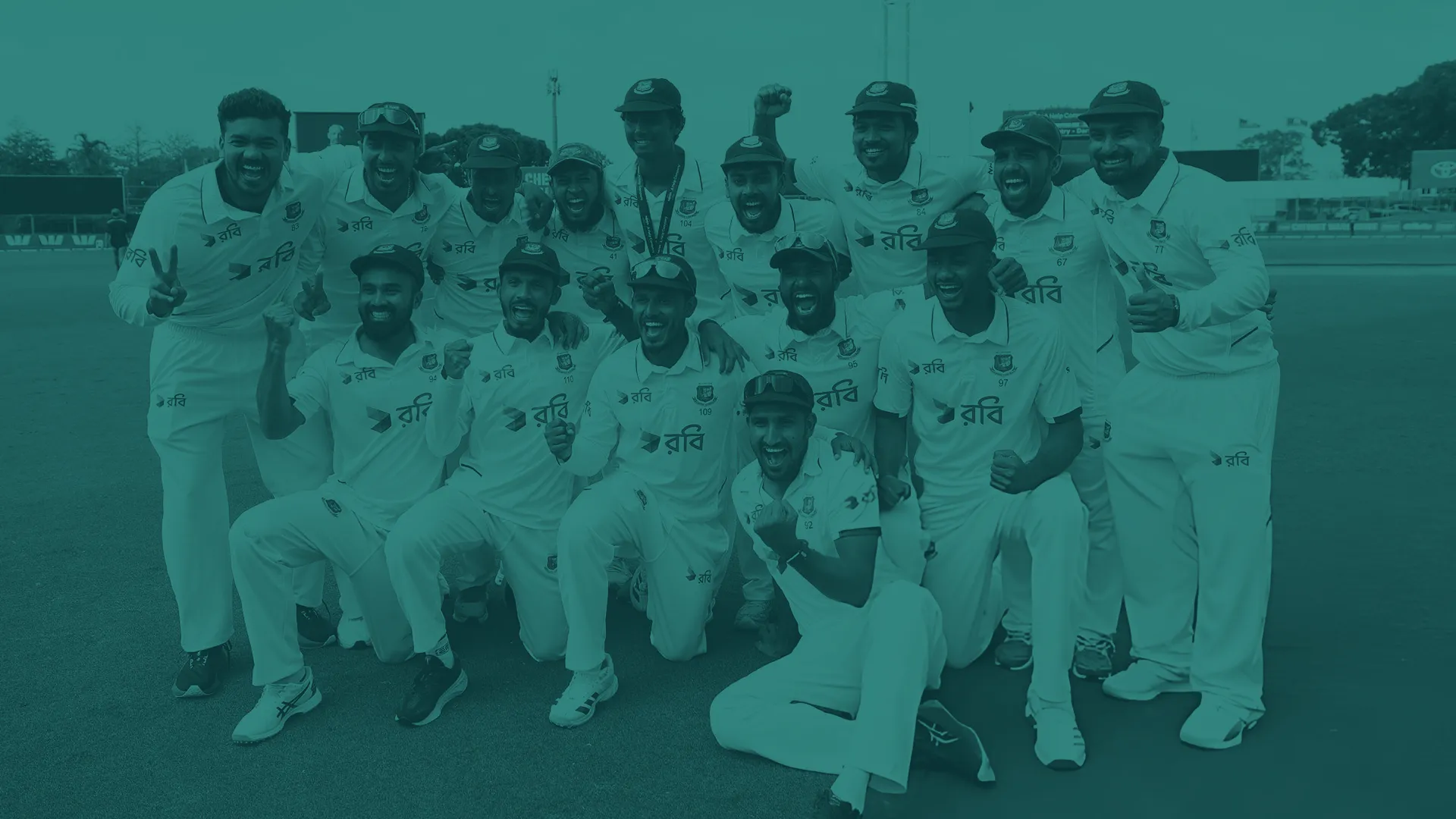
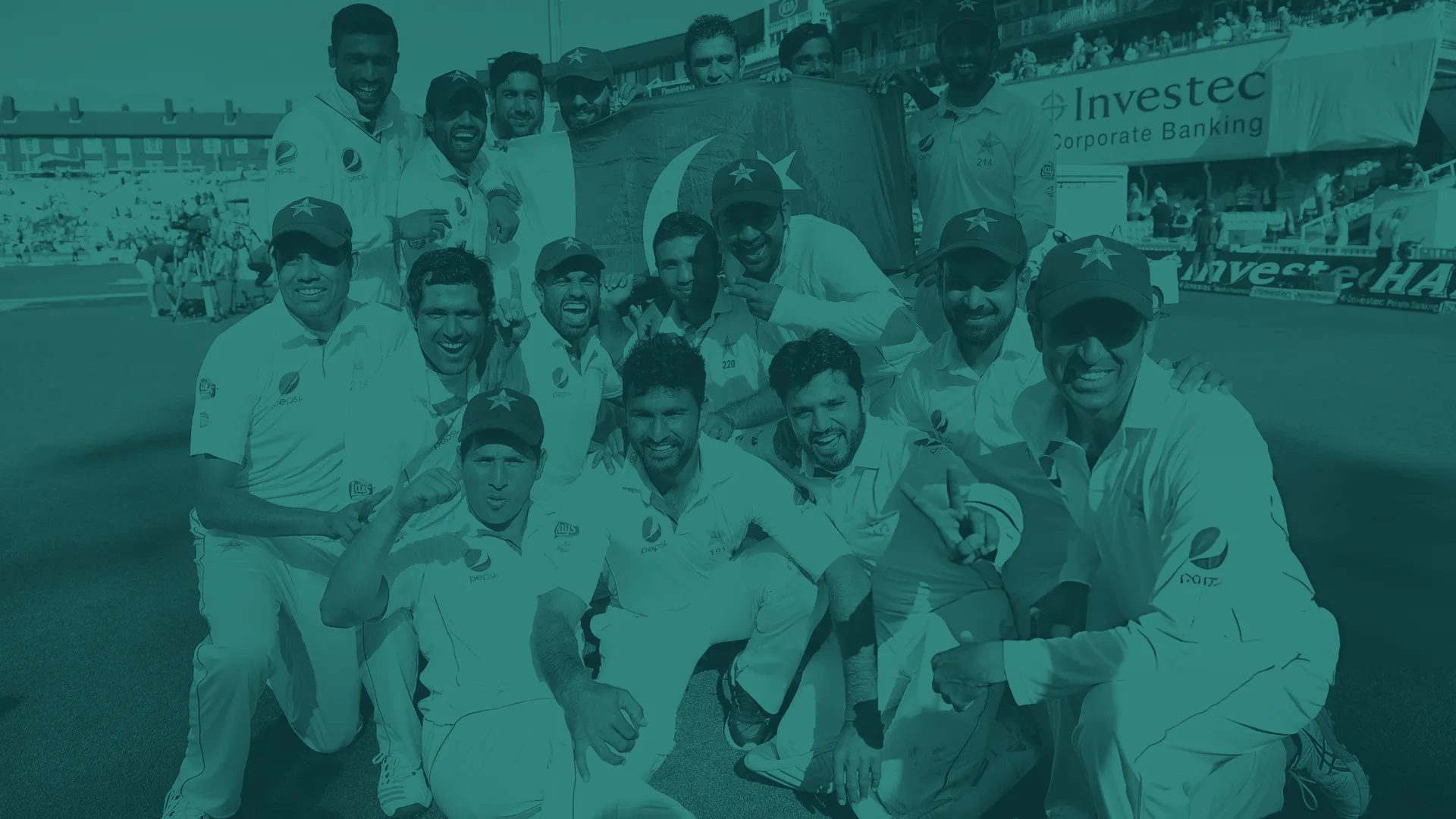
The evidence is a pattern, not a random list: a marquee rivalry frozen (India has not toured Pakistan for a bilateral series since 2007); emerging sides rationed (Bangladesh have toured Australia for Tests only once this century); absurdity normalised (Afghanistan remain a “home” team without a home); newer members ignored (Australia have never hosted Ireland); and a historic nation left waiting (Zimbabwe, untoured by Australia since 1999 and England since 2004).
This is not mere inconvenience. It is a two-tier order: opportunity and influence concentrated at the top, while scarcity and dependency are institutionalised for the rest.
Faced with this imbalance, the International Cricket Council (ICC) offers a familiar, convenient defence: bilateral cricket is not under our jurisdiction.
That is technically true. It is also a profound abdication of responsibility. The ICC’s legitimacy rests on its role as custodian of the sport – not simply as a tournament organiser. If the health of international cricket, the sport’s core identity, is failing, the ICC cannot treat it as somebody else’s problem.
Its “powerlessness” is not a fact; it is a strategic choice. And that choice is now corroding the one area where the ICC does hold direct responsibility: its own events.
The case of Bangladesh and the 2026 T20 World Cup is not an isolated dispute; it is a litmus test for institutional integrity. Bangladesh, citing security concerns, sought to play its matches in Sri Lanka rather than India. The ICC’s response was not to find a workable remedy, but to replace them with Scotland. Its stated reasons – questioning the security assessment and citing logistical disruption — are not, in isolation, unreasonable.
But credibility lies in consistency. And here, the ICC’s logic collapses.
When India refused to travel to Pakistan for the 2025 Champions Trophy, the ICC did not replace them. It engineered a solution, moving India’s matches to Dubai under a pre-approved arrangement.
For a powerful member, a workaround was created. For a less powerful one, the request became a red line. The message is unmistakable: the rules are elastic for some, rigid for others. This is no longer governance; it is power management.
This legitimacy crisis is amplified by a visible concentration of senior leadership within the same cricketing sphere of influence.
In a sport whose financial centre of gravity already tilts overwhelmingly toward one market, the optics are combustible: the ICC’s centre of gravity begins to look less like neutral administration and more like alignment. Perception is not proof, but perception shapes trust – and trust is what the ICC is burning through at an alarming rate.
If anyone still believes the ICC is truly powerless to shape a fairer landscape, they need only look at its own creation: the World Test Championship.
The WTC is proof that the ICC can intervene in the bilateral economy when it chooses. By attaching context, points, and a trophy to Test series, the ICC is already shaping incentives.
Yet the WTC’s design accepts – even institutionalises – the very inequality it should correct. Teams play a limited, self-selected set of opponents.
There is no common baseline. A team can become “world champion” without playing all rivals, its path shaped by bargaining power as much as sporting merit. If the ICC can create points systems and finals, it can also demand a fairer fixture matrix. That it refuses to do so is not a lack of jurisdiction, but a lack of will.
A credible alternative is obvious: a four-year Test cycle that works closer to a true league – with a minimum requirement that every Test nation plays every other Test nation across the cycle, home or away, so that the champion is determined by comparable competition. It is the same integrity logic that underpins the 50-over World Cup format, where every team plays the others before the knockouts decide the title.
The ICC’s selective application of authority can also be seen in how it approaches governance.
The suspension of USA Cricket, while protecting players’ participation, demonstrates that the ICC can act decisively when it chooses, while still insulating athletes from administrative failure.
That approach is sensible. But it also exposes the inconsistency at the heart of the ICC’s posture: decisive intervention is possible in some contexts, yet helplessness is pleaded in others. The pattern is hard to ignore: commercial stability is treated as urgent; sporting equity is treated as optional.
What is required is not a reinvention of cricket – only that the ICC stops hiding behind technicalities and starts using the influence it already possesses.
It should begin by creating a transparent, consistent policy for security-based venue exceptions at ICC events, with clear assessment protocols, deadlines, and remedies applied equally to all members. No more ad hoc, politically convenient deals.
Next, it should use incentives to correct the imbalance it routinely acknowledges in private. Tie a portion of ICC revenue distribution and future hosting rights to meaningful cross-tier bilateral engagement. Reward members who play the global game, not only the lucrative one, and protect others from becoming permanently dependent on leftovers.
It should also fix the championship it controls. Reform the World Test Championship with fewer loopholes and more common baselines. Mandate a minimum quota of cross-tier fixtures each cycle and move deliberately toward a schedule that tests every contender against comparable opposition. If a 50-over World Cup can ensure every team plays each other, a four-year Test championship can aspire to something far closer to competitive fairness.
Finally, the ICC must treat legitimacy as action, not a slogan. Governance is not abstract. It determines who gets funded, who gets protected, and who gets forgotten. The ICC must demonstrate through consistent decisions that it serves the sport – not only its most powerful stakeholders.
International cricket does not need perfection. It needs a credible commitment to fairness. Without it, the sport drifts toward an inevitable future: year-round franchise cricket for the elite, while international cricket is reduced to a handful of ICC events for everyone else – a FIFA model, but without football’s relentless, merit-based pathways for every nation.
The fracture is widening. The ICC can continue to speak loudly about growth while whispering about fairness, pretending its hands are tied. But history will record the truth: it wasn’t powerless. It chose not to act.

GRC Staff
Lorem ipsum dolor sit amet, conse ctetuer adipiscing elit, sed diam nonum nibhie. Aenean sollici tudin, lorem auci elit consequat ipsutis sem niuis sed odio sit amet nibh vulputate cursus.


Leave a Reply