
PSL 2026: Where Records Fell And Stars Were Born
LAHORE: There is a version of PSL 2026 that will be remembered for its off-field dramas — empty stadiums for the 40 league matches in line with the government’s austerity measures, the Fakhar Zaman ball-tampering scandal, the record PKR20 million fine on Naseem Shah, Shaheen Shah Afridi and Sikandar Raza breaching hotel security protocols, scheduling issues and blackout of the winning team’s celebration to highlight the traditional fireworks. Add to that, the Blessing Muzarabani and Dasun Shanaka contract disputes and initial broadcast difficulties. This was a competition that seemed, at various points, in danger of being consumed by the noise surrounding it.
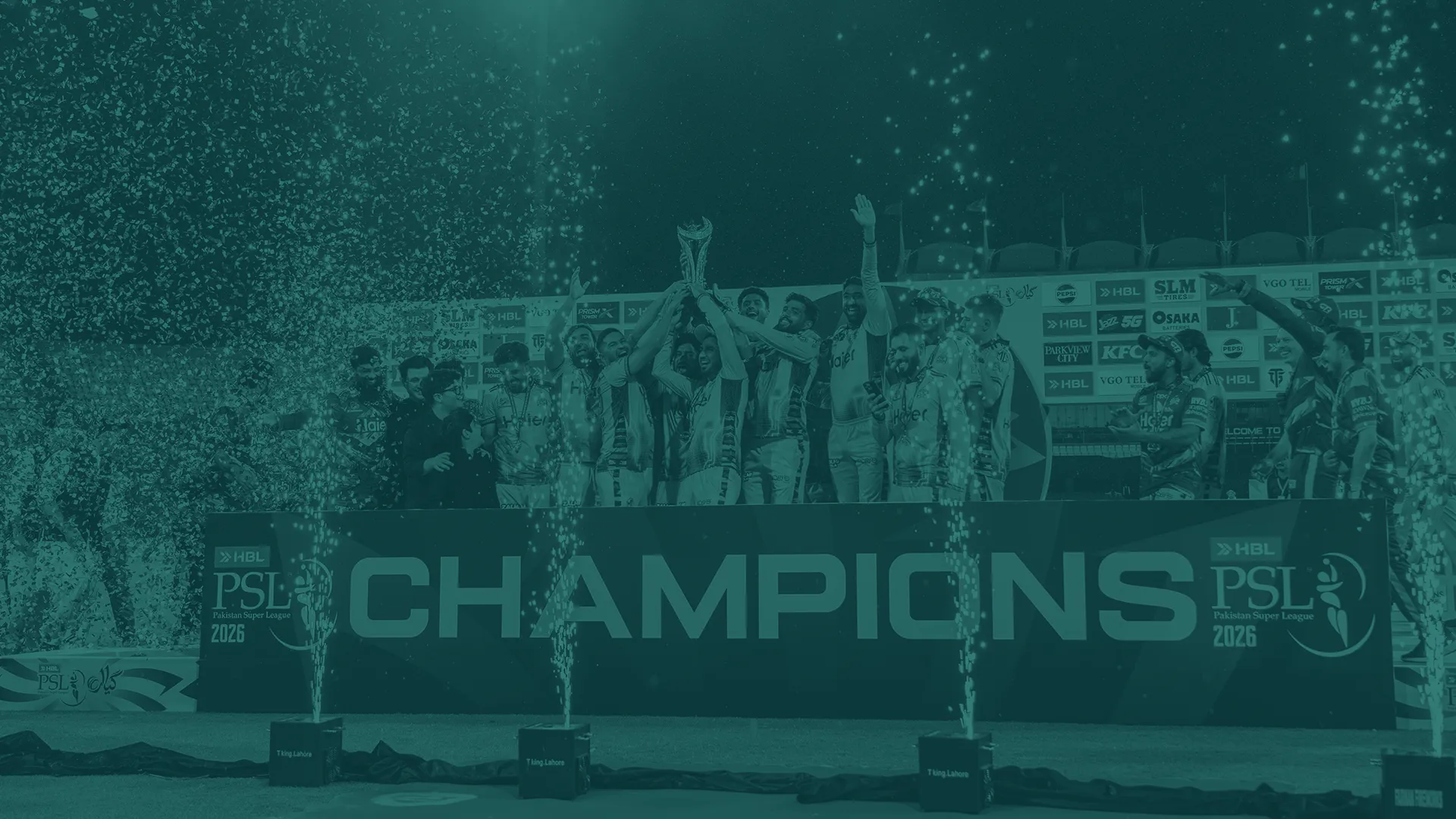
And then, there is the version that actually unfolded on the field of play — 44 matches of compelling, record-breaking, occasionally breathtaking cricket that ended with a packed Gaddafi Stadium on its feet as Aaron Hardie and Abdul Samad rescued Peshawar Zalmi from 40 for four to win the title.
The second version is the one that will endure, and the Pakistan Cricket Board deserves appreciation for ensuring that cricket, ultimately, remained the story.
A TOURNAMENT OF RECORDS
PSL 2026 rewrote the record books with a frequency that would have seemed implausible before a ball was bowled.
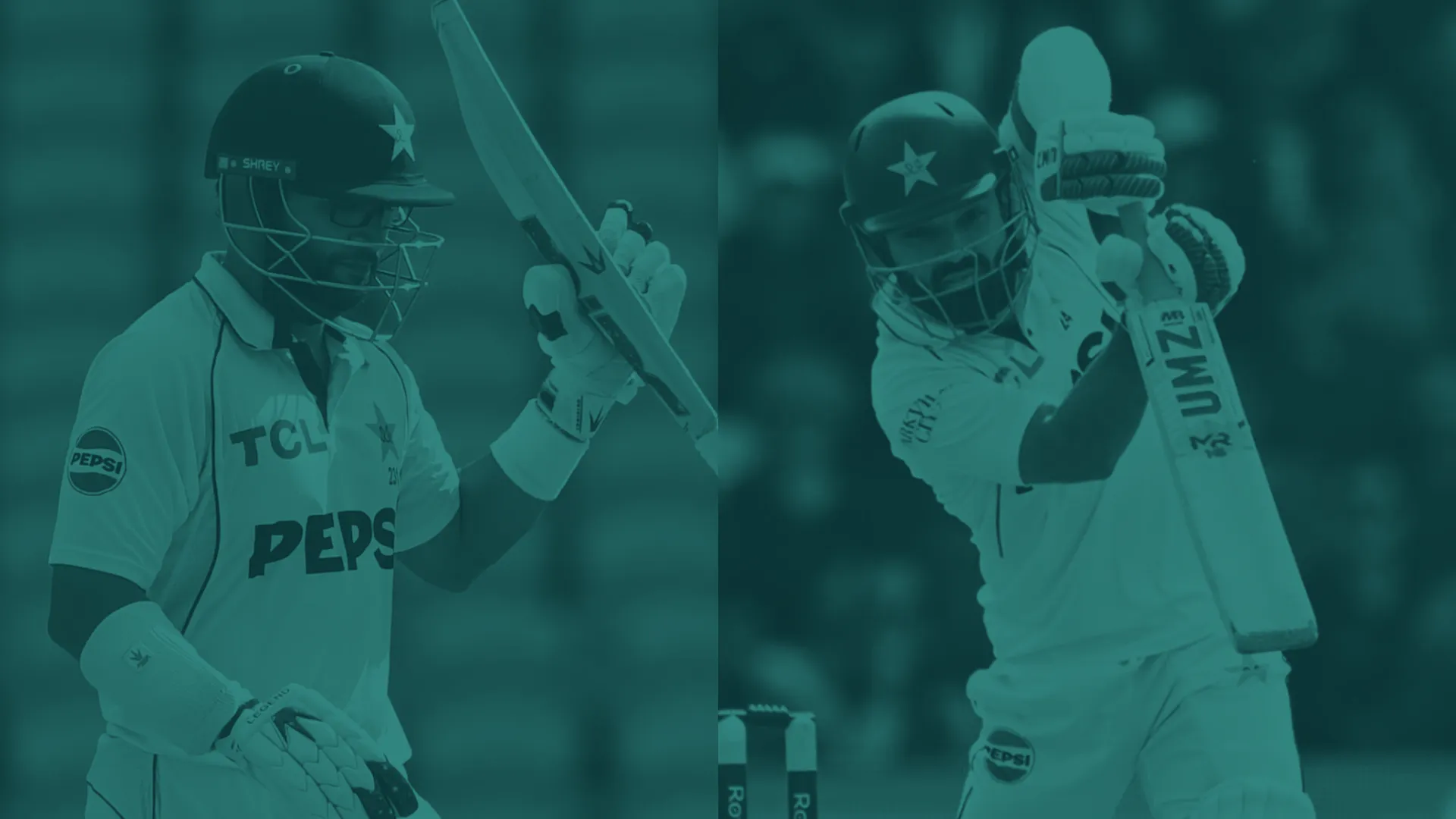
Babar Azam equalled Fakhar Zaman’s single-season record of 588 runs, averaging 84 across the tournament at a strike rate of 146 — figures that belong alongside the finest individual batting campaigns in T20 franchise cricket anywhere in the world.
Usman Khan became the fastest batter to four PSL centuries, achieving the landmark in just 33 matches — ahead of Babar Azam, Fakhar Zaman, Rilee Rossouw and Kamran Akmal, who have each struck three centuries in the competition.
Peshawar Zalmi posted the competition’s highest ever total — 255 for three — in the same match as its largest winning margin of 159 runs against Karachi Kings.
Ali Raza became the seventh and youngest player to take a PSL hat-trick. Sufyan Moqim became only the second bowler — after Shadab Khan in 2022 — to take, at least, three wickets in four consecutive PSL matches as he finished with 22 wickets to win the Player of the Tournament Award.
The total runs scored across 44 matches, the number of last-over finishes and the quality of the cricket produced across both venues underlined a competition operating at the peak of its powers.
THE OVERSEAS STARS: QUALITY ACROSS THE BOARD
What distinguished PSL 2026’s overseas contingent from previous editions was not merely the star power on offer but the consistency with which those players delivered. This was not a competition of one or two marquee performers surrounded by passengers — it was a competition in which overseas players across all eight franchises made genuine, sustained contributions.
Kusal Mendis was the finest overseas performer the PSL has seen. His 550 runs from 10 matches at an average of 61 and a strike rate of 169 — including a century and four half-centuries — were the engine of Peshawar Zalmi’s title-winning campaign. Steve Smith’s 380 runs for Multan Sultans, including a maiden PSL century, demonstrated that one of cricket’s most technically accomplished batters can thrive in any format at any age.
Marnus Labuschagne’s 344 runs and composed captaincy for Hyderabad Kingsmen were central to the debutant franchise’s extraordinary run to the final.
Beyond the top three, the depth of overseas contribution was remarkable.
Rilee Rossouw scored 317 runs for Quetta Gladiators, Devon Conway 315 for Islamabad United, Josh Philippe 268 for Multan Sultans, David Warner 256 for Karachi Kings, Daryl Mitchell 255 for Rawalpindiz, Mark Chapman 245 for Islamabad United and Ashton Turner 220 runs and three wickets — a collective body of work that made PSL 2026 the most competitive overseas batting display in the competition’s history.
With the ball, Aaron Hardie’s 11 wickets and 133 runs across the tournament — culminating in a Player of the Final performance of four for 27 and 56 not out that won Zalmi the title from an apparently impossible position — made him the competition’s finest overseas all-rounder.
Nahid Rana’s nine wickets at express pace, highlighted by figures of three for seven in the record-breaking win over Karachi Kings, announced the 23-year-old Bangladeshi as a fast-bowling talent of genuine international quality.
THE EMERGENCE OF YOUNG PAKISTAN TALENT
If the overseas stars provided the star power, it was the emergence of young Pakistani talent that gave PSL 2026 its most lasting and significant legacy. This was a competition that functioned, more effectively than any previous editions, as a genuine proving ground for the next generation of Pakistan cricketers.
Sameer Minhas was the revelation of the tournament. The teenage Islamabad United opener — who made headlines last year with 172 in the U19 Asia Cup final against India — scored 349 runs across the competition, including innings of 82 not out, 70 and 58 in his most celebrated performances.
His brother Arafat Minhas contributed 144 runs and nine wickets for Multan Sultans — making PSL 2026 a family affair in the most literal sense, with their father Kashif covering proceedings as tournament photographer.
Hasan Nawaz’s 291 runs for Quetta Gladiators, Maaz Sadaqat’s 260 for Hyderabad Kingsmen and Shamyl Hussain’s 215 for Quetta — the 21-year-old having scored half-centuries in his first two PSL matches, only the fourth player to achieve that feat — collectively represented a generation of Pakistani batting talent announcing itself to the world.
These are not peripheral players. They are the foundation of Pakistan’s white-ball future.
With the ball, the picture was equally encouraging.
Sufyan Moqim’s 22 wickets at an economy rate of 7.20 earned him the Player of the Tournament award — a richly deserved honour for a left-arm wrist spinner who entered PSL 2026 with just five career PSL wickets and left it as one of the most exciting young bowling talents in Pakistan cricket.
Hunain Shah’s 17 wickets for Hyderabad Kingsmen — delivered with raw pace and intelligent variation — and Ali Raza’s 10 wickets, including a hat-trick, confirmed the depth and quality of Pakistan’s fast bowling pipeline at a time when the national team needs it most.
What this generation of players has in common — beyond their talent — is that they were identified, trusted and developed within the PSL environment. The competition is doing what it was always supposed to do: producing the next wave of Pakistan international cricketers.
However, this talent needs to be nurtured, protected, and groomed before being thrown into the deep end of international cricket. Pakistan’s domestic circuit is the ideal breeding ground; any urgency in exposing these players to international rigours prematurely may shorten their careers.
THE COACHES: TWO MEN, TWO EXTRAORDINARY STORIES
No review of PSL 2026 would be complete without proper acknowledgement of the two coaches whose work shaped the tournament’s defining narrative.
Ottis Gibson’s achievement at Peshawar Zalmi was built on one of the most elegant tactical innovations of the competition. By structuring the batting order around Babar Azam’s natural strengths — placing hard-hitting openers Mohammad Haris and Kusal Mendis alongside him to provide both protection and platform — Gibson gave Pakistan’s most celebrated batter the freedom to rediscover his best form in a format from which his own national team had dropped him.
The results were extraordinary: 588 runs, a strike rate of 146, a Player of the Qualifier performance and a championship medal.
Gibson also identified and nurtured Sufyan Moqim at a time when the young spinner was relatively unproven at this level — and built a bowling attack around him that won Zalmi nine of their 11 matches. This was coaching of the highest order.
Jason Gillespie’s achievement at Hyderabad Kingsmen was, in many respects, even more remarkable — and carried a personal significance that no neutral observer could miss.
Humiliated and financially short-changed by the PCB during a nine-month tenure as Pakistan’s red-ball head coach, Gillespie returned to Pakistan’s cricket ecosystem not with bitterness but with brilliance.
Taking a brand-new franchise with no history, no culture and no established identity, he built a team that lost four matches in a row before winning seven of their last eight — reaching the final through a combination of tactical clarity, player trust and the kind of calm, purposeful leadership that the national set-up demonstrably failed to provide him when it had the chance.
His Kingsmen side defeated both Multan Sultans and Islamabad United in the play-offs before falling at the final hurdle to the tournament’s most dominant side. It was the finest coaching debut in PSL history.
THE DEFINING MOMENTS
Every great tournament is defined by its moments. PSL 2026 produced several that will be replayed for years.
Babar Azam completing his century off the last ball of the innings against Quetta Gladiators by scrambling a second run. Kingsmen’s 244 for six against Rawalpindiz — the match they needed to win by 86 runs or more to qualify — with Maxwell producing the most explosive innings of his PSL career.
Hardie and Samad walking to the crease with Zalmi at 40 for four in the final and producing the two most composed and match-winning knocks of the entire tournament.
And behind all of it, the Gaddafi Stadium — full, passionate, deafening — reminding the world that Pakistan’s love for this competition burns as brightly as ever.
CONCLUSION
PSL 2026 was a tournament that had every reason to stumble and chose instead to soar. It survived its controversies, delivered its records, showcased its overseas talent and — most importantly of all — produced a generation of young Pakistani cricketers who have demonstrated they can represent Pakistan at the highest level but with a proper strategy.
The PCB, for all the scrutiny it rightly faces in other cricket-related matters, built and staged a competition that ticked most of the boxes a franchise tournament should — entertainment, development, competition and spectacle, in equal measure.
Peshawar Zalmi are worthy champions. Hyderabad Kingsmen are worthy finalists. And PSL 2026 is, without question, one of the finest editions of the competition in its history.

GRC Staff
Lorem ipsum dolor sit amet, conse ctetuer adipiscing elit, sed diam nonum nibhie. Aenean sollici tudin, lorem auci elit consequat ipsutis sem niuis sed odio sit amet nibh vulputate cursus.

Leave a Reply