
Will Psl Embrace Retired-out?
LAHORE: The Pakistan Super League has entered a new era with the induction of two new franchises – Hyderabad Kingsmen and Rawalpindiz. The league – now in its 11th season – has grown significantly since the opening season (competed by five teams) played in the UAE in February 2016.
Throughout its decade-long history, the PSL has produced some scintillating cricket and has carved out an identity, especially amongst Pakistan cricket fans. The league has built rivalries amongst franchises, especially the Karachi Kings-Lahore Qalandars and Quetta Gladiators-Peshawar Zalmi contests, which have a massive fanbase of their own.
Historically though, the PSL has lagged in innovation or the modern T20 tactics and approach. The league still follows the traditional T20 leagues system – four overseas players in an 11 – there is a dearth of innovation or exciting rules and playing conditions which a lot of other leagues have adopted – additional PowerPlay overs, Super Subs/Impact Players etc.
This year, the PCB has provided flexibility to the teams in the selection of their playing XIs – the change in the playing conditions has been made to mitigate the possibility of dew jeopardising an outcome.
Over the years at the PSL, teams like Islamabad United and Multan Sultans have embraced data and numbers wholeheartedly; most of the other teams seem to play more on instincts, traditions and reputations.
As the modern T20 space continues to evolve around the world with increasing emphasis on strike-rates, matchups, pitch and ground data, PSL may need to step-up considerably to have a positive impact on Pakistan’s style of play in the crash, bang and wallop format.
With the dawn of the new era, will we see new and modern tactics in the PSL 11? In recent months, the practice of retiring players out is becoming increasingly popular in the T20 circuit – batters that are struggling to bat according to a particular situation – striking below the team’s aspired run-rate or the asking run-rate in case of a chase – are called back to the dugout by their management as retired outs.
A retired-out batter is considered a wicket, and the batter can not return to the crease even if the rest of team is dismissed.
The Marylebone Cricket Club (MCC) Laws of Cricket (Law 25.4), states that a player who leaves for reasons other than illness/injury is classified as “retired-out” unless the opposing captain allows them to return.
According to Wisden.com, in the format’s first 20 years, 16 players were retired out in men’s T20s. But since the start of 2024, that number has shot up to 51, with six instances already recorded in the first two weeks of 2026.
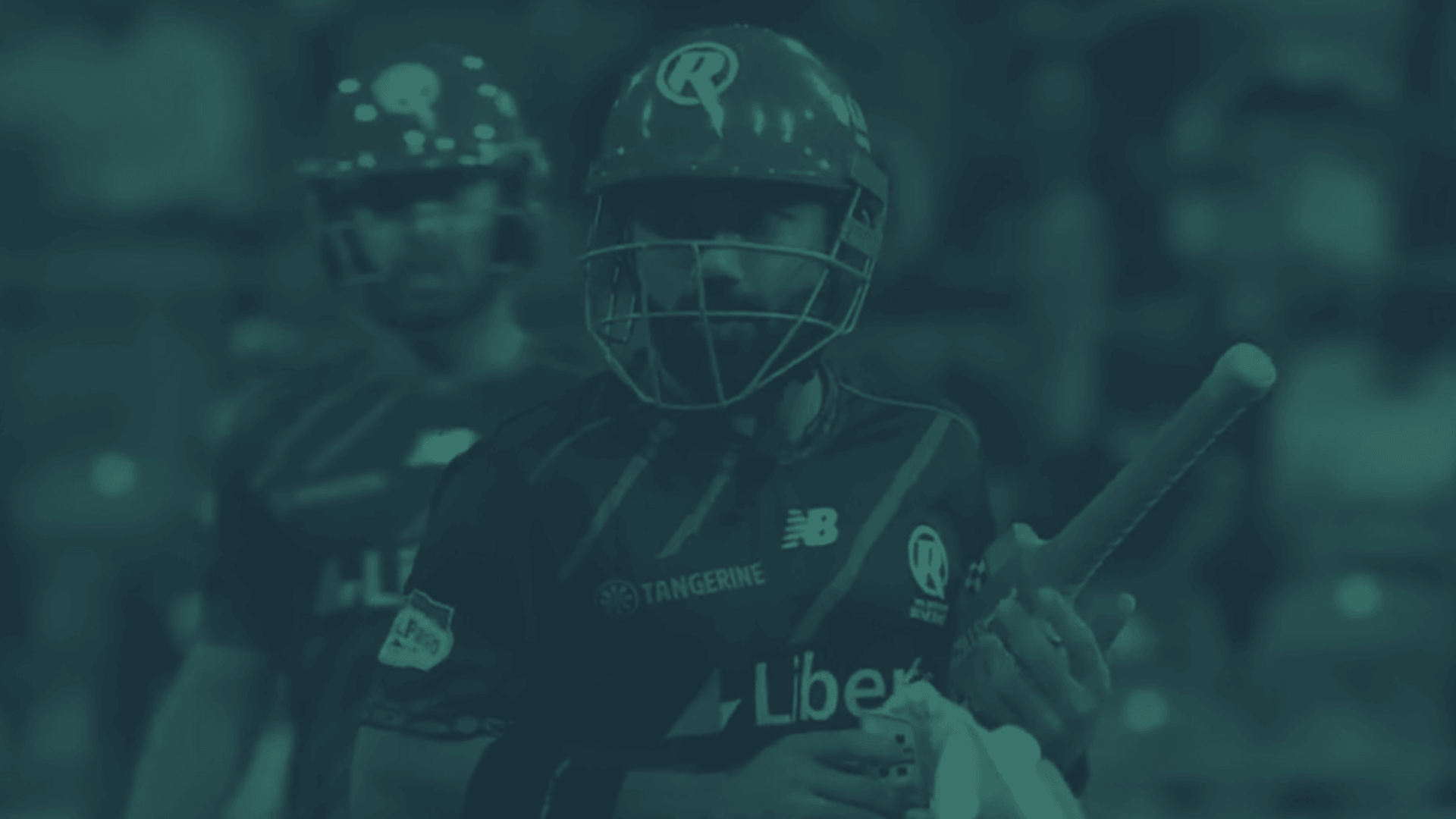
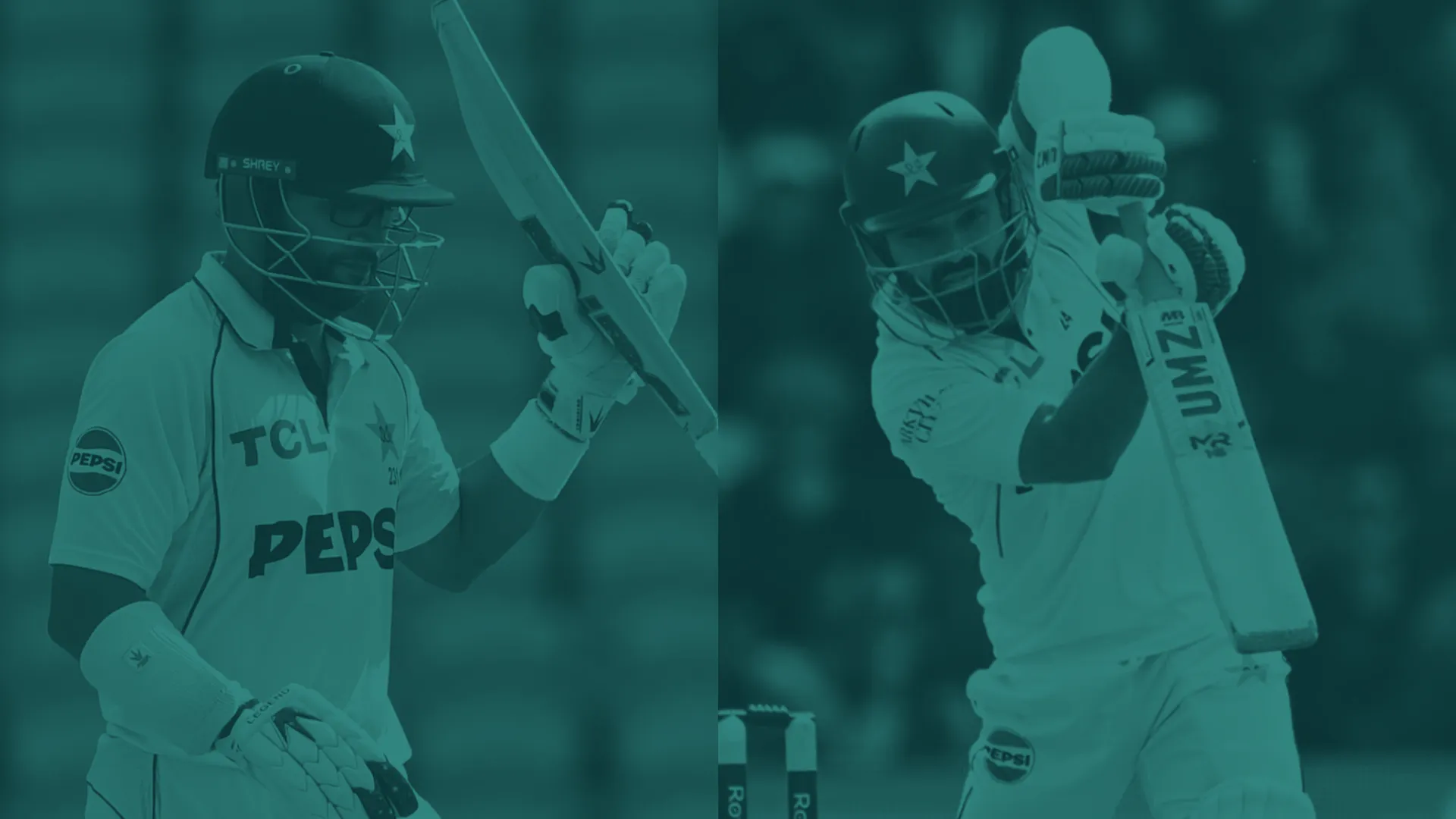
Seasoned Pakistan wicketkeeper-batter Mohammad Rizwan was retired out by his Big Bash League franchise – Melbourne Renegades – in the recently concluded season. Rizwan is the captain of Rawalpindiz in PSL 11.
The PSL is yet to enforce a Retired-Out! Pakistan’s relatively conservative batting approach, especially in the ICC T20 World Cups, has often led to pundits’ criticism. Often the better striking middle and lower-order batters are left warming the dugout benches as the top-order batters take their time to settle – resulting in dot balls and an ineffective run-rate.
Is the PSL ready to implement a retired-out (many pundits feel it is too taboo to implement and may harm the relations between players and their coaches)?
At the International League T20, last December, T20 gamesmanship took a new turn in an incredible sequence of events as MI Emirates wicketkeeper Nicholas Pooran appeared to hold back on a stumping opportunity against Desert Vipers batter Max Holden.
The left-handed Holden, who was struggling to strike the ball, was then retired out by his team a couple of balls later. The incident was widely debated in the cricketing world – perhaps it gave us a peek into what future tactics can be – teams not dismissing a batter struggling to hit the ball, only for their opponent to retire out the batter!
The T20 game continues to evolve with teams relying more and more on innovation and new set of tactics to outsmart their opponents. A “team first” approach is considered sacrosanct, as team scores move towards the 250 and beyond mark.
Will the PSL teams showcase the will and the gumption to make some tough calls if a situation demands so? Will we actually have a new era of tactics at the PSL and have a crack at the taboos?

Leave a Reply