
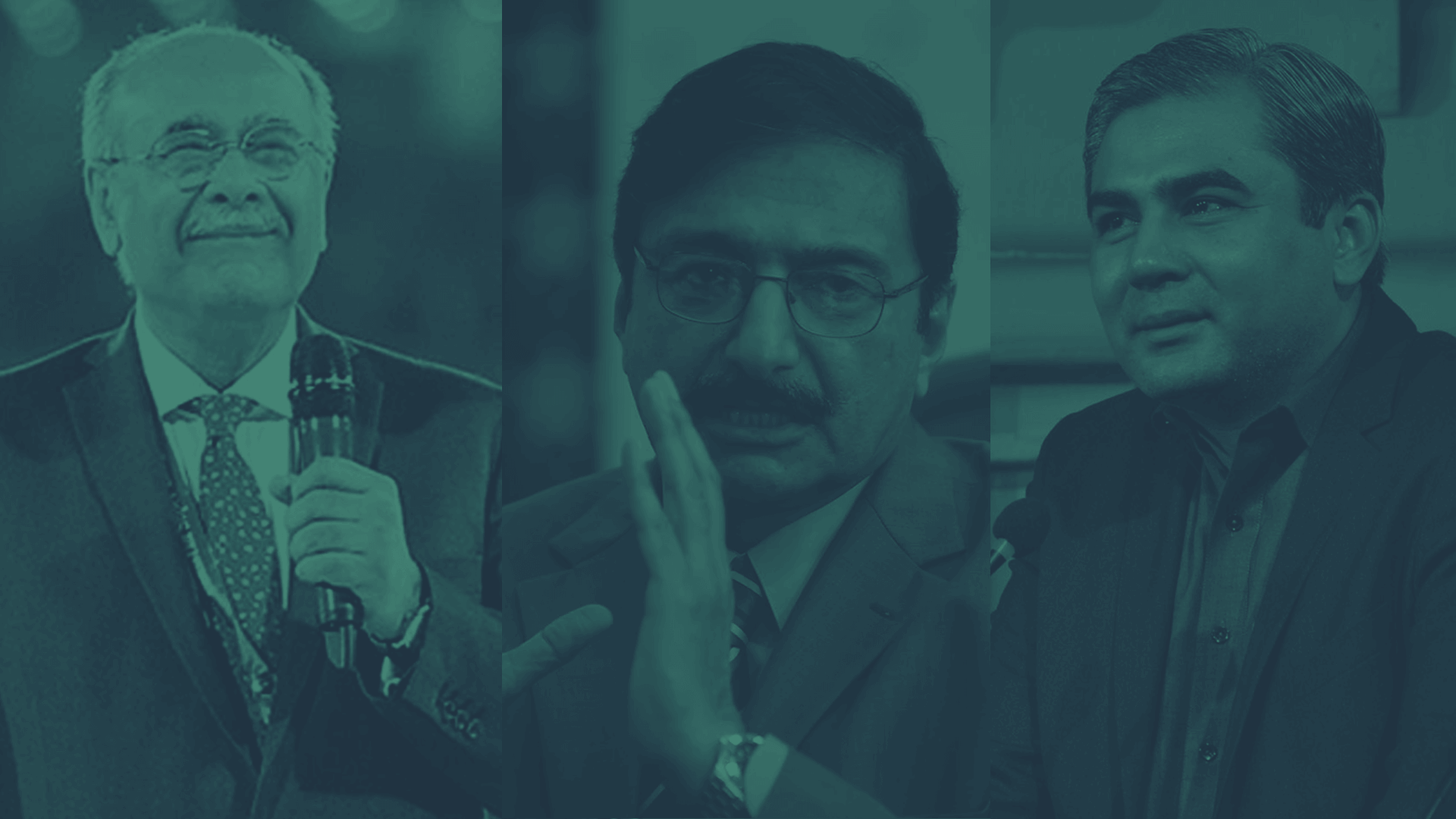
The High Price Of PCB Instability: Leadership Shuffles And Team Turmoil
Leadership instability has long haunted Pakistan cricket. Frequent changes at the top ripple through team management, coaching setups, and the overall player environment.
While cricket has become a global, multi-format, billion-dollar industry, Pakistan’s cricket administration has often lagged behind, undermining its own potential for sustained success.
The 1990s: A Decade of Change
The 1990s were marked by rapid leadership shifts in the Pakistan Cricket Board (then BCCP), which triggered frequent team management changes. Few recall that Lt Gen (retd) Zahid Ali Akbar led the board when Pakistan won the 1992 World Cup.
He was succeeded by Honourable Supreme Court Chief Justice Nasim Hasan Shah, followed by Javed Burki’s ad hoc committee. The late Zulfiqar Ali Shah Bokhari became the first chairman of the rebranded PCB, passing the baton to Khalid Mahmood, then Mujeeb ur Rehman, the late Dr Zafar Altaf, and finally Lt Gen (retd) Tauqir Zia — the eighth chairman between 1992 and 1999.
Captaincy Carousel
Leadership instability quickly spilled onto the field.
Javed Miandad succeeded Imran Khan after the 1992 World Cup, only to be replaced by Wasim Akram, then Saleem Malik following a revolt against Akram. Ramiz Raja, Aamir Sohail, Moin Khan, Wasim Akram, Rashid Latif, Saeed Anwar, and Waqar Younis all led Pakistan during this period.
After another instable stable spell from 2000 to 2012 in which Inzamam-ul-Haq, Mohammad Yousuf, Younis Khan, Shoaib Malik, Shahid Afridi and Salman Butt captained Pakistan, history began to repeat itself, coinciding with cricket’s evolution into a billion-dollar industry, with multiple formats and lucrative franchise leagues.
2012–2024: Leadership Chaos Returns
Between 2011 and 2014, Zaka Ashraf and Najam Sethi fought a bitter legal battle over the PCB chairmanship before Shaharyar M Khan was appointed as a compromise chairman in 2014.
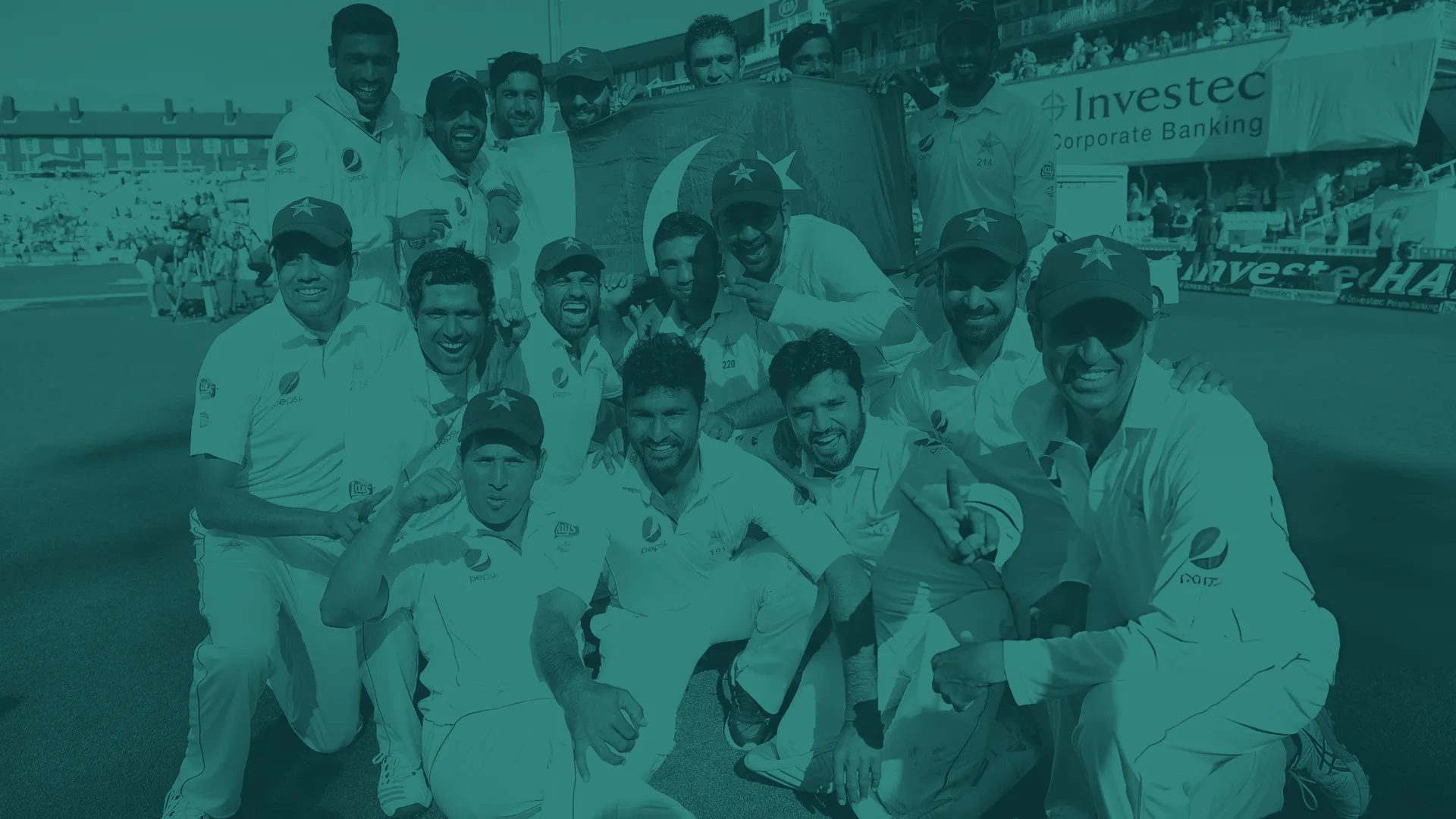
After Pakistan’s ICC Champions Trophy 2017 triumph, Sethi was elected chairman, followed by Ehsan Mani in 2018, Ramiz Raja in 2021, Najam Sethi’s Management Committee in 2022, Zaka Ashraf in 2023, and finally Mohsin Naqvi as the 37th chairman in 2024.
In perspective, PCB had eight chairmen between 1992–1999, following 15 chairmen from 1952–1988, and eleven between 2012–2024, after just three from 2003–2011 — a stark illustration of recurring administrative instability.
Captaincy and Coaching Upheaval
The Test captaincy story since 2012 mirrors that era.
After Misbah-ul-Haq’s steady tenure from 2010 to 2017, Sarfaraz Ahmed, Azhar Ali, Mohammad Rizwan, Babar Azam, and Shan Masood have all led Pakistan in red-ball, while Azhar Ali, Babar Azam, Shadab Khan, Mohammad Rizwan, Salman Ali Agha, and Shaheen Shah Afridi have captained in white-ball cricket.
There was a period of relative stability under Ramiz Raja when Babar Azam captained across all formats. However, that continuity was disrupted in early 2023 when Shadab Khan was made captain for the T20I series against Afghanistan in Sharjah.
Since then, captaincy has changed hands almost as frequently as players change evening attire.
Pakistan’s coaching setup has been equally volatile.
Mohsin Khan, Dave Whatmore, Moin Khan, Waqar Younis, Mickey Arthur, Misbah-ul-Haq, Saqlain Mushtaq, Abdul Rehman, Grant Bradburn, Mohammad Hafeez, Azhar Mahmood, Jason Gillespie, Gary Kirsten, Aqib Javed, and Mike Hesson have all taken turns.
Only Arthur delivered a major title — the ICC Champions Trophy 2017 — while Saqlain guided Pakistan to the ICC Men’s T20 World Cup 2022 final.
The Financial Stakes of Leadership
The PCB chairmanship has grown increasingly lucrative since 1992, as Pakistan’s World Cup win and the commercialization of cricket brought sponsorships, broadcast rights, and franchise revenues. The role now carries prestige and substantial financial influence, making it a coveted and hotly contested position.
As financial stakes rose, some leadership transitions focused more on short-term control over resources than on cricketing development. Frequent changes disrupted policies, coaching strategies, and player development plans.
Political and commercial priorities often overshadowed performance, forcing players and coaches to constantly adapt.
The Fallout on Players and Performance
With such turbulence, consistent performance is nearly impossible. Every administrative shake-up affects the dressing room, selection policy, and coaching approach. Players need stability, clarity, and continuity to thrive.
Former captains and senior players have often noted that constant leadership changes create uncertainty and disrupt cohesion. Unlike the ECB or BCCI or Cricket Australia, where stable leadership has translated into sustained on-field success, Pakistan’s frequent shuffles force players to adapt constantly, undermining rhythm and performance.
Strategic and Organizational Consequences
Frequent leadership changes also disrupt PCB policies and objectives. Since the expiry of its five-year strategy in 2023, the board has functioned without clear goals. Core values — openness, transparency, and meritocracy — have suffered, while financial statements post 2023 have yet to be published, further eroding accountability.
The Way Forward
With global cricket evolving rapidly, PCB must overhaul its strategic direction, decision-making, and governance to avoid following the path of hockey and squash — sports where Pakistan once dominated and won more trophies and medals than cricket.
Only merit-based, depoliticized leadership and a stable, transparent management culture can restore consistency, command global respect, and enable Pakistan’s players to reach their full potential.

GRC Staff
Lorem ipsum dolor sit amet, conse ctetuer adipiscing elit, sed diam nonum nibhie. Aenean sollici tudin, lorem auci elit consequat ipsutis sem niuis sed odio sit amet nibh vulputate cursus.

Leave a Reply