
Revised World Cup Formats To Benefit Mid-Tier Sides
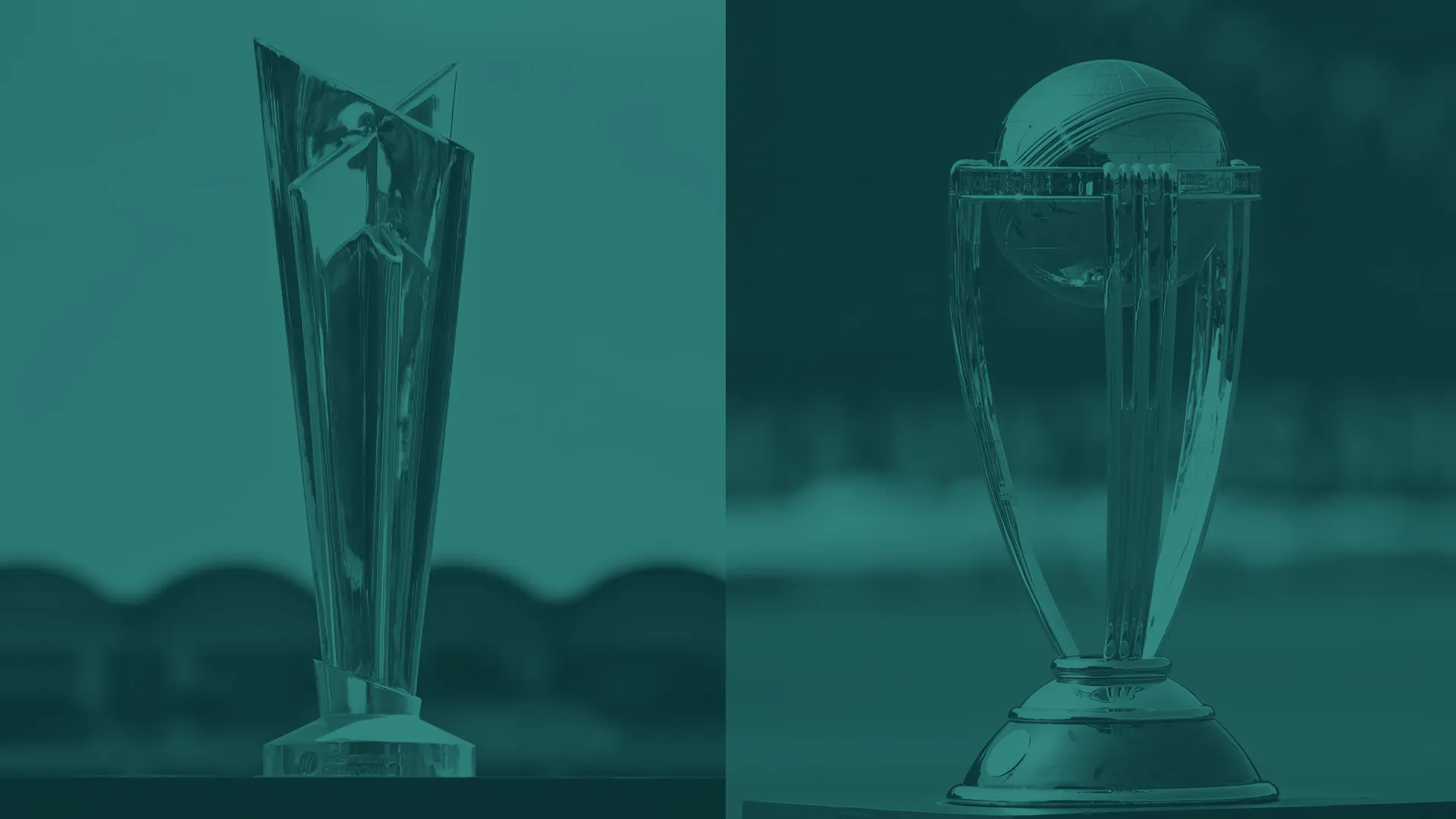
The International Cricket Council announced changes to the ICC Men’s ODI Cricket World Cup 2027 and the ICC Men’s T20 World Cup 2028 formats on Wednesday, in a move that appears designed to give mid-tier sides a more meaningful route through both tournaments.
Unlike the previous formats, where the strongest sides moved in a fairly direct line towards the semifinals, the ICC’s restructuring cuts two ways for the leading sides – and the two effects are worth separating clearly, since they can otherwise sound contradictory.
On one hand, the path to the trophy is now structurally longer: a top-ranked side in the ODI World Cup must now navigate a six-team group and then a seven-team Super 7 stage – two full rounds of cricket – before even reaching the semifinals, rather than progressing through the single 10-team round-robin used in 2019 and 2023.
On the other hand, that same structure is considerably more forgiving of any single off day.
Where the old format required a top-four finish out of 10 sides, the new Super 7 stage sends four of seven sides through – a far more generous cut. A poor result against a lower-ranked side is, therefore, less likely, on its own, to end a leading side’s campaign outright, even as the tournament as a whole now demands more matches and more sustained consistency to win.
In short: harder to win the whole thing cleanly, easier to survive a single bad afternoon along the way.
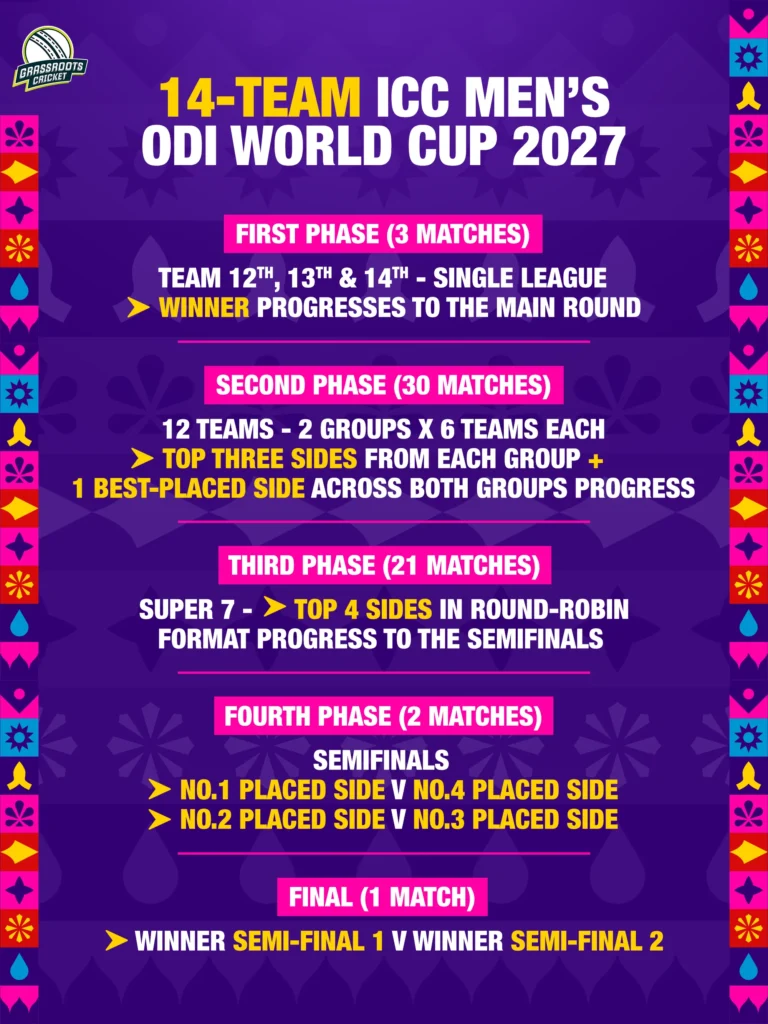
In the 14-team 50-over World Cup, the three bottom-ranked qualified sides will first play a round-robin “Super Series,” with only the winner advancing to join the other 11 teams. Those 12 sides will then be split into two groups of six. The top three sides from each group, along with the next best-placed side across both groups, will form the seven-team Super 7 stage, from which the top four sides will progress to the semifinals.
In the 20-team T20 World Cup, the ICC has expanded the second stage of the competition from eight to 10 teams — a change the governing body says was “encouraged by the performance of emerging teams” at the 2026 tournament.
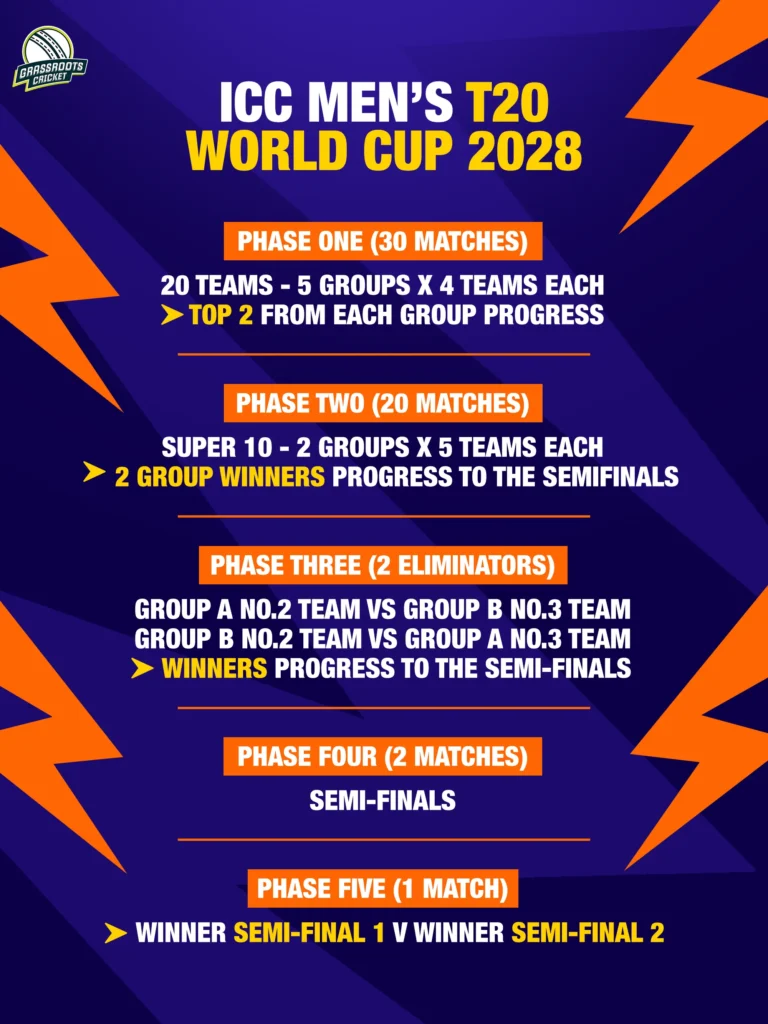
The 20 sides will be split into five groups of four, with the top two from each group progressing to the newly expanded Super 10 stage. Those 10 sides will then be divided into two groups of five, playing a round-robin format, with the winner of each group advancing directly to the semifinals.
The remaining two semifinal spots will be decided through a new Eliminators round: the third-placed side in Group 2 will play the second-placed side in Group 1, and the third-placed side in Group 1 will play the second-placed side in Group 2. The winners of those two Eliminator matches complete the semifinal line-up, with the semifinals and final following the existing format.
Explaining the rationale for the changes, the ICC said: “The changes were introduced to create more meaningful contests, elevate competitive standards, strengthen the competitive structure of both events, and enhance the tournament experience for athletes and fans.”
The two tournaments, however, are not being expanded in the same way.
The ODI World Cup will grow from 48 matches under the old 10-team single-league format (45 round-robin fixtures plus three knockout matches) to 57 under the new three-stage structure (3 in the Super Series, 30 in the group stage, 21 in the Super 7, and 3 in the knockouts) — an increase of nine matches, or almost 19 per cent more cricket.
The T20 World Cup, by contrast, is not growing at all: the 2026 edition ran to 55 matches, and the restructured 2028 format — 30 group-stage matches, 20 in the Super 10, two Eliminators and three knockout matches — also totals exactly 55.
In other words, the ODI changes genuinely add more cricket to the calendar, while the T20 changes are a redistribution of the same 55 matches, aimed at putting more of them in front of a wider range of teams rather than adding to the schedule.
The changes were first recommended by the ICC Cricket Committee, headed by Saurav Ganguly, before being reviewed by the Chief Executives’ Committee — comprising Chief Executives and representatives from Full and Associate Members — and approved by the ICC Board, which includes three representatives from Associate nations, during the governing body’s annual meetings in Edinburgh.
However, if you look closely at the recent history of both World Cups, it is a reasonable guess that part of the motivation behind these changes is to ensure the game’s biggest, most commercially valuable sides are not knocked out too early – while still creating more matches that matter for the sides ranked below them.
The 2019 and 2023 ODI World Cups were played on a 10-team single-league format, with the top four sides progressing to the semifinals. In 2019, Pakistan, Sri Lanka, South Africa, Bangladesh, West Indies and Afghanistan failed to progress, while in 2023, India, South Africa, Australia and New Zealand advanced to the semifinals from a field that also included Pakistan, Afghanistan, England, Bangladesh, Sri Lanka and the Netherlands. Two-time champions West Indies failed to even qualify for the tournament, held in India — a fate they shared with Ireland and Zimbabwe.
In the T20 World Cup 2021, Australia, England, Pakistan and New Zealand reached the last four, while in 2022, England, Pakistan, New Zealand and India reached the semifinals. In 2024, India, South Africa, Afghanistan and England featured in the semifinals, while earlier this year, India, South Africa, England and New Zealand appeared in the semifinals, with India successfully retaining the trophy.
What this means for Pakistan
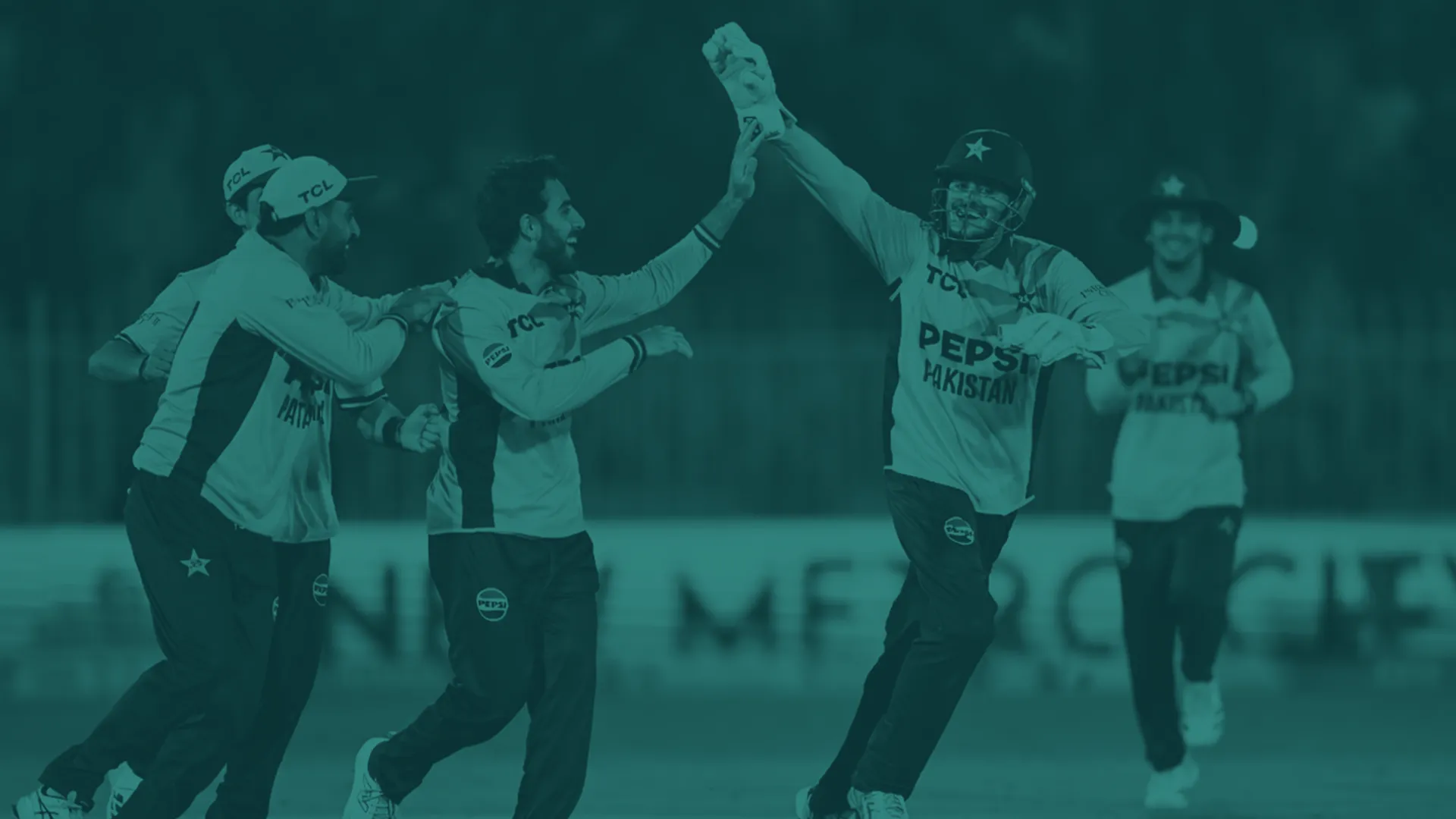
For Pakistan specifically, the case against the old single-league format is not abstract – it is written into their last two World Cup campaigns.
In 2019, Pakistan finished level with New Zealand on 11 points, five wins and three losses apiece, and went into their final match at Lord’s needing to beat Bangladesh by more than 300 runs to overtake New Zealand’s net run rate. They won by 94 – a thumping margin by any ordinary measure – and it still was not enough. New Zealand’s net run rate of +0.175 held, and Pakistan’s tournament ended not because a rival beat them on the field, but because of a decimal-point calculation completed at another ground entirely.
In 2023, a near-identical story played out with a different opponent: Pakistan and Afghanistan both finished on four wins from nine matches, and a marginally superior net run rate was the only thing separating Pakistan’s fifth place from Afghanistan’s sixth. Neither side came close to a semifinal either way.
Twice in the last two editions, then, Pakistan’s tournament effectively ended on a tiebreaker rather than a genuine defeat by the sides that eventually progressed. That is precisely the failure mode the new structure is built to reduce.
Instead of a single 10-team table where net run rate alone decides a photo finish for the last available spot, a side that finishes level on points in a six-team group now gets a second life: the “next best-placed” side across both groups still earns a wildcard spot into the Super 7, which is itself a fresh round-robin carrying its own top-four cut. A side that narrowly misses out once now gets a genuine second chance to prove itself, rather than watching its tournament end on the sport’s cruellest arithmetic.
For a team with Pakistan’s recent history of finishing precisely, agonisingly level with a direct rival, that single structural change may matter more than any other adjustment in this revamp.
The revamped formats will be welcomed by previous World Cup champions, including Pakistan, Australia, Sri Lanka and West Indies, all of whom have been inconsistent across the past six World Cups since 2019. Whether these four sides can take advantage of the changes remains to be seen – and how the new formats are ultimately received by fans and followers will likely depend on how, and where, India, England, South Africa and New Zealand finish.
T20 World Cup 2028 qualification pathway
Twelve teams have already secured their place at the 2028 T20 World Cup based on their performance at the 2026 edition and current team rankings: Afghanistan, Australia, Bangladesh, England, India, Ireland, New Zealand, Pakistan, South Africa, Sri Lanka, West Indies and Zimbabwe.
The remaining eight spots will be filled through a newly introduced 16-team Global Qualifier. Eight of those 16 places go directly to teams that competed at the 2026 T20 World Cup but did not secure automatic qualification: Canada, Italy, Namibia, Nepal, Netherlands, Oman, the United Arab Emirates and the United States. Scotland, meanwhile, has been granted direct entry into the Europe Regional Final instead of the Global Qualifier itself, in recognition of the unusual circumstances surrounding its participation in the 2026 tournament.
The remaining eight places in the 16-team Global Qualifier will be decided through regional qualifying events: two spots each from Africa, Asia and Europe, and one spot each from the Americas and East Asia-Pacific. From the 16-team Global Qualifier itself, the highest-placed side from each region, together with the next three highest-placed sides overall, will complete the 2028 T20 World Cup field, subject to a minimum performance criteria.
On the Global Qualifier itself, the ICC said: “This new marquee tournament has been endorsed by the Board after being recommended by the ICC Development and Chief Executives’ Committees. However, it will be finally approved by the Board after review by ICC’s Finance & Commercial Affairs committee in the November meetings.”
The approved enhancements in full
ICC Men’s ODI Cricket World Cup 2027
The tournament will be co-hosted by South Africa, Zimbabwe and Namibia, and will continue to feature 14 teams across a new three-stage format leading to the final.
Round 1 — The bottom three of the 14 qualified sides will play a round-robin Super Series, with the winner progressing to the next round.
Round 2 (30 matches) — The remaining 12 teams will be split into two groups of six, each playing a round-robin format. The top three from each group, along with the next best-placed side across both groups, advance to the Super 7 stage.
Round 3, Super 7 (21 matches) — The seven qualified teams play a further round-robin, with the top four progressing to the semifinals. The side finishing first will face the fourth-placed side, while the second and third-placed sides meet in the other semifinal.
ICC Men’s T20 World Cup 2028
The tournament, co-hosted by Australia and New Zealand, remains a 20-team event, with a revised format designed to expand the representation of emerging teams in the Super 10 stage.
Group Stage (30 matches) — The 20 teams are divided into five groups of four, replacing the four groups of five used at the 2026 tournament. The top two from each group advance to the Super 10 stage.
Super 10 (20 matches) — Two groups of five play a round-robin format. The winner of each group qualifies directly for the semifinals.
Eliminators (2 matches) — The remaining two semifinal spots are decided through a new Eliminators round: the third-placed side in Group 2 plays the second-placed side in Group 1, and the third-placed side in Group 1 plays the second-placed side in Group 2. The winners complete the semifinal line-up, with the semifinals and final following the existing format.

GRC Staff
Lorem ipsum dolor sit amet, conse ctetuer adipiscing elit, sed diam nonum nibhie. Aenean sollici tudin, lorem auci elit consequat ipsutis sem niuis sed odio sit amet nibh vulputate cursus.



Leave a Reply