
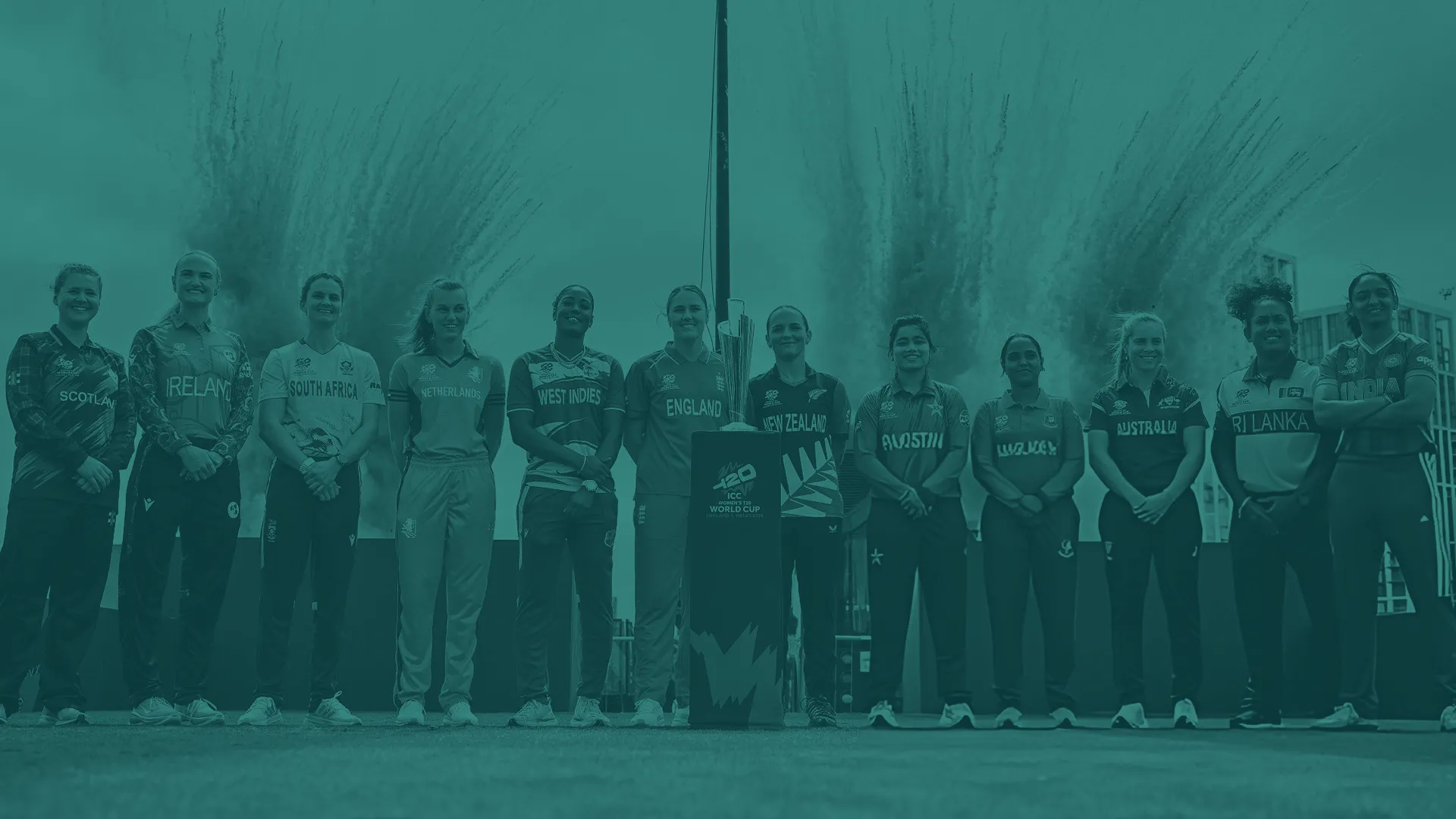
Biggest Ever Women’s T20 World Cup Beckons
LAHORE: England will host the ICC Women’s T20 World Cup 2026 for the second time when the tournament gets under way at Edgbaston in Birmingham on 12 June, 17 years after they staged the inaugural edition in 2009 — a tournament England themselves won. The 10th edition of the event runs until 5 July, with the final at Lord’s, and promises to be the biggest and most lucrative women’s T20 World Cup in history.
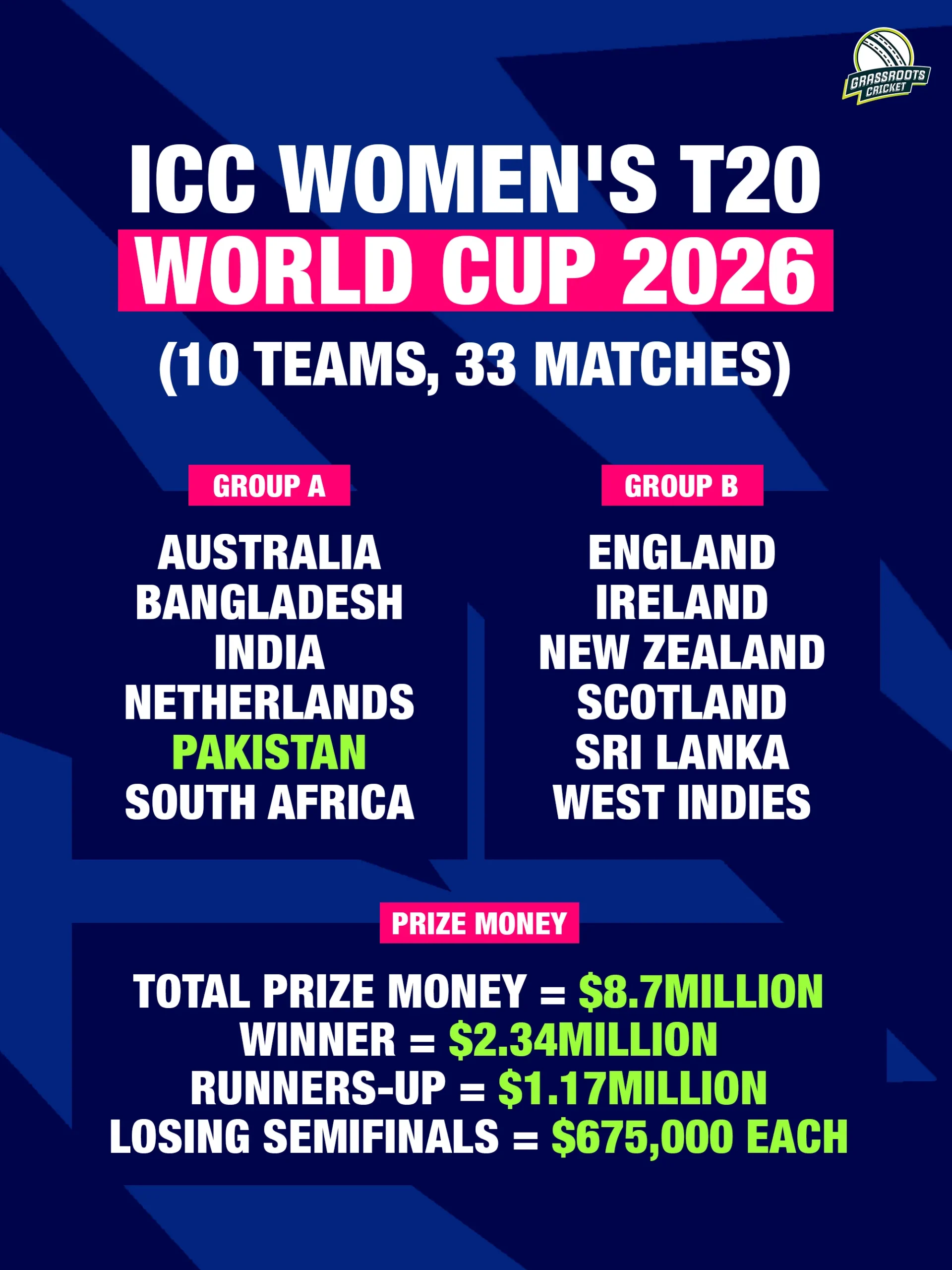
Twelve teams, two groups, four semi-finalists and one champion. A total of 33 matches will be played across England’s iconic venues, with a record prize pot of USD 8.76 million on offer — a 10 per cent increase on the USD 7.95 million available at the 2024 edition and driven largely by the expansion from a 10 to a 12-team competition.
The number of group-stage matches has risen from 20 to 30 — an increase of 50 per cent — reflecting the ICC’s ambition to grow the women’s game at the highest level.
The winners will take home USD 2.34 million, with the runners-up receiving USD 1.17 million and the losing semi-finalists USD 675,000 each.
New Zealand arrive as defending champions, having beaten South Africa by 32 runs in Dubai in October 2024 to claim their first-ever title. South Africa, beaten finalists in 2024, will be determined to go one better this time.
Standing in their way, as ever, is Australia — the most successful side in the history of the tournament, having won six of the nine editions held so far: 2010, 2012, 2014, 2018, 2020 and 2022. Australia’s win percentage of 80.61 is the benchmark against which every other side is measured.
The two groups are evenly balanced on paper. Group A features Australia, Bangladesh, India, Netherlands, Pakistan and South Africa, while Group B contains England, Ireland, New Zealand, Scotland, Sri Lanka and West Indies.
England and Sri Lanka open the tournament at Edgbaston on 12 June. Ireland face Scotland, and Australia take on South Africa at Old Trafford in Manchester on 13 June, while on the same day at Southampton, New Zealand will take on the West Indies.
Netherlands make their maiden T20 World Cup appearance against Bangladesh at Edgbaston on 14 June — a historic moment for Dutch women’s cricket.
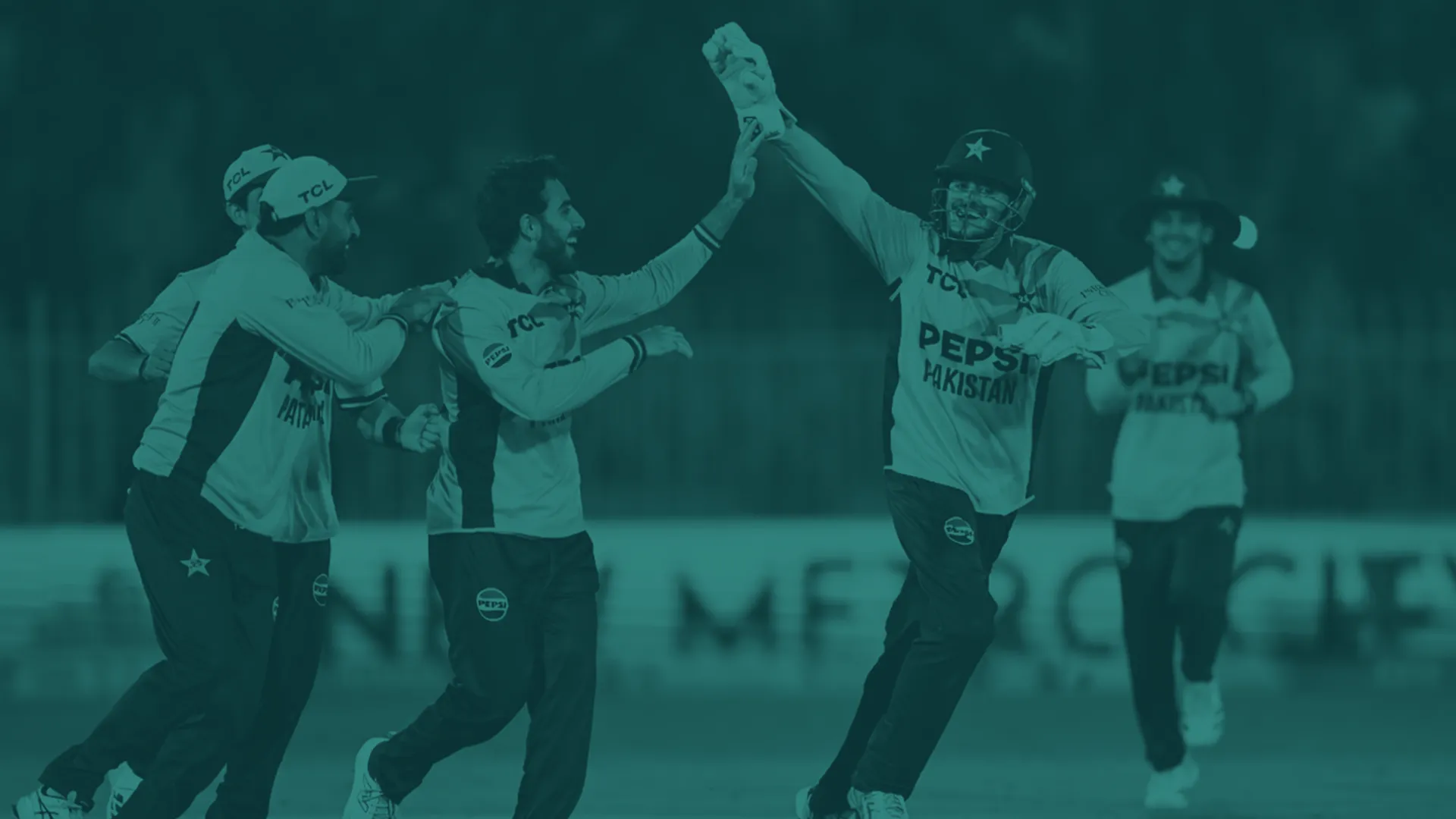
The match that will capture the imagination of the entire subcontinent comes on 14 June when Pakistan face India at Edgbaston. The two sides have met nine times in T20 World Cup history and their rivalry remains one of the most emotionally charged fixtures in women’s cricket.
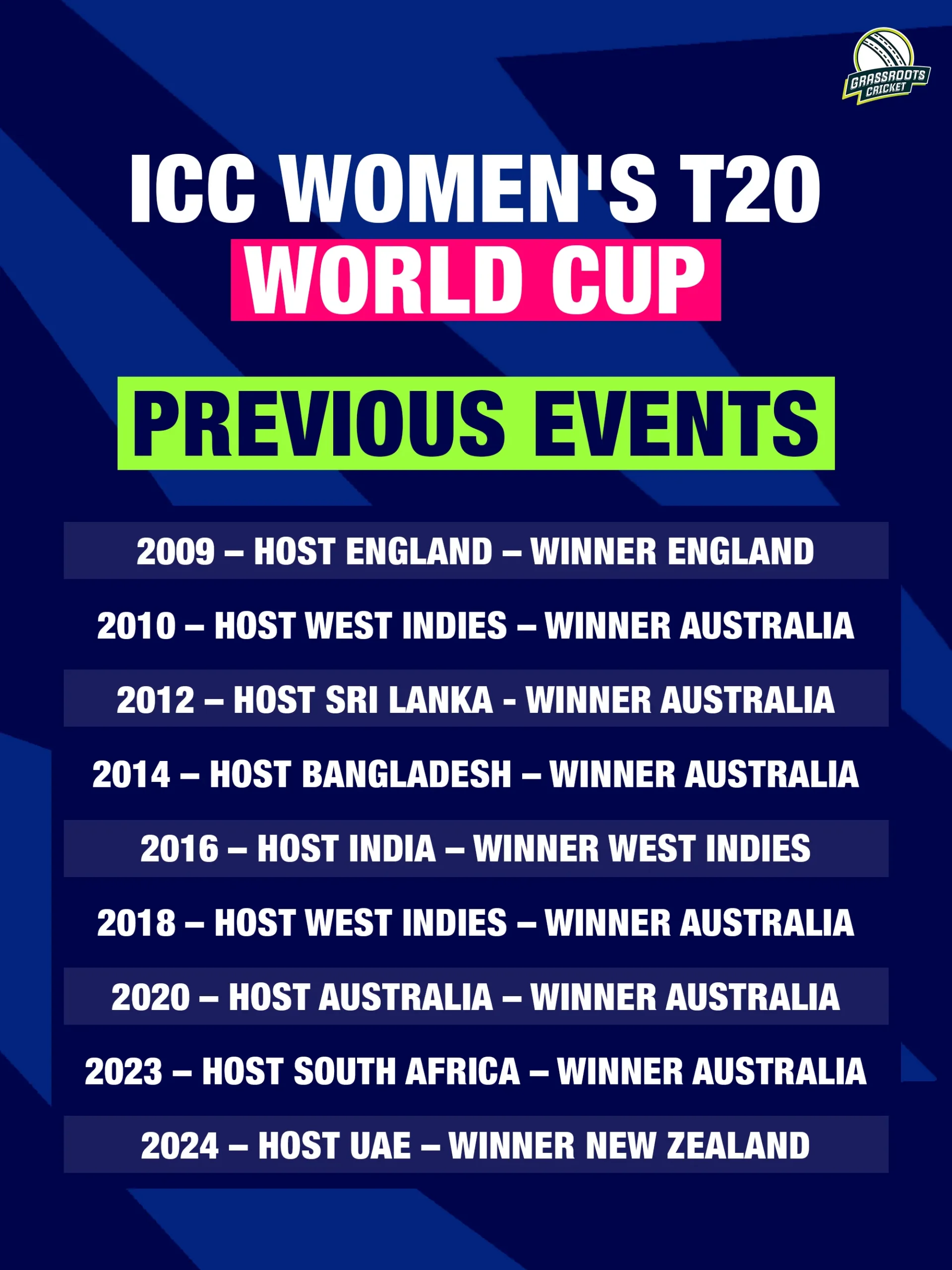
Pakistan’s most celebrated moment in the tournament came in 2012, when they beat India by one run at Galle in Sri Lanka — a victory that remains their most famous result in nine editions of the event.
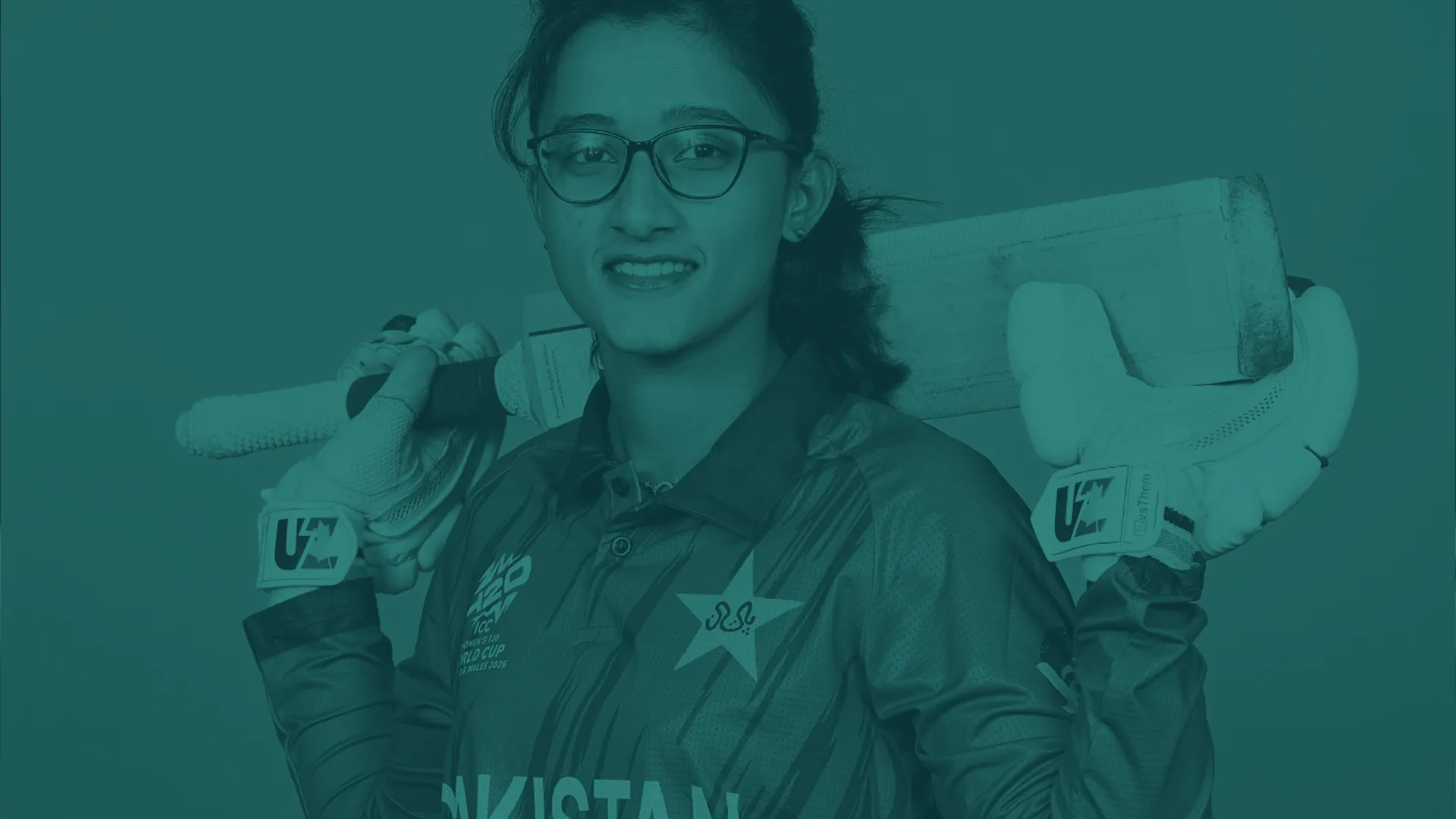
Pakistan have participated in every T20 World Cup but their overall record makes for difficult reading: nine wins and one no-result from 26 matches. India, by contrast, are 50-over world champions and reached the T20 World Cup final in 2020 before losing to Australia.
Pakistan’s warm-up form has done little to inspire confidence. They lost both their pre-tournament matches — to Sri Lanka by nine wickets in Derby and to Scotland by 41 runs via the DLS method, also in Derby — suggesting the team has work to do before the tournament begins in earnest.
The final round of warm-up matches takes place in Cardiff on 10 June, with England facing India and Australia taking on the West Indies — results that will offer further clues about the likely contenders. Elsewhere in the warm-ups, South Africa lost to New Zealand but beat Ireland, while Australia and India each played and won one match. England and West Indies each played one and lost one.
Beyond the results on the field, this tournament carries significant implications for the ICC Women’s Champions Trophy 2027 — a brand new six-team T20I event to be held in Sri Lanka in February next year. Sri Lanka are already guaranteed a place as hosts. The remaining five spots will go to the five highest-ranked sides in the ICC Women’s T20I rankings as of 6 July 2026 — the day after the final at Lord’s.
For sides like Pakistan, currently eighth in the rankings, every match in this tournament is therefore a ranking-point opportunity that extends well beyond the World Cup itself.
The stage is set. The venues are ready. And at Lord’s on 5 July, a new chapter in women’s cricket history will be written.

GRC Staff
Lorem ipsum dolor sit amet, conse ctetuer adipiscing elit, sed diam nonum nibhie. Aenean sollici tudin, lorem auci elit consequat ipsutis sem niuis sed odio sit amet nibh vulputate cursus.



Leave a Reply